
Search engine optimization (SEO) has changed significantly with the rise of artificial intelligence (AI). Search engines are becoming smarter, AI-generated answers are appearing in search results, and businesses are exploring new ways to reach their audiences online. These changes have led many people to ask: Is SEO dead now with AI?
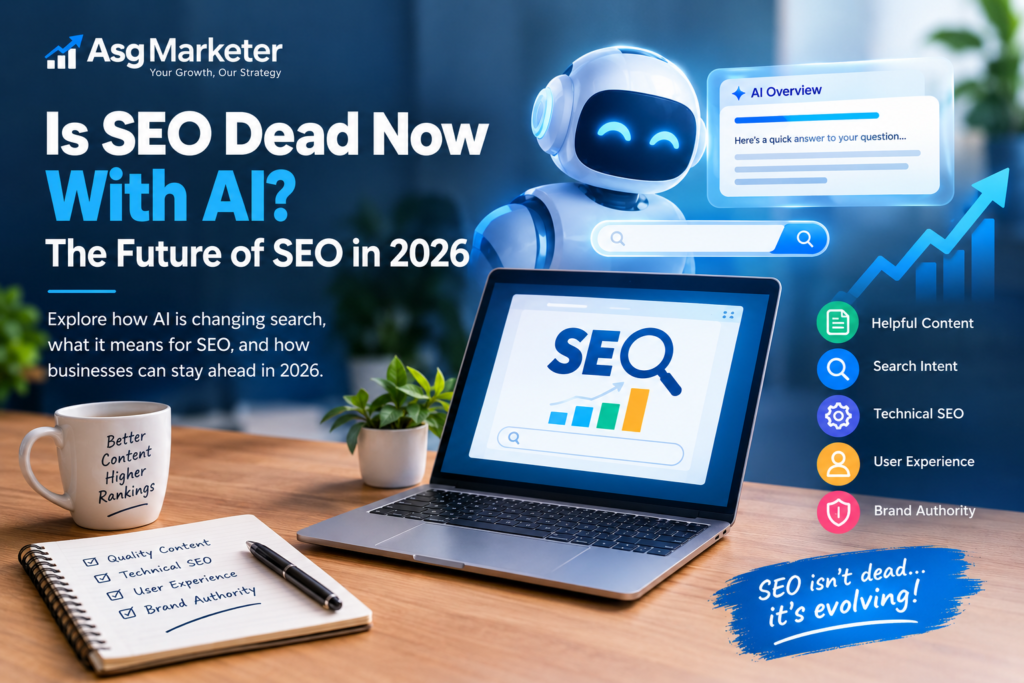
The simple answer is no. SEO is not dead in 2026, but the way businesses approach SEO is evolving. Traditional keyword stuffing and low-quality content are becoming less useful, while helpful content, user experience, technical optimization, and brand authority are becoming increasingly important.
In this article, we will explore the future of SEO in 2026, how AI is changing search, and what businesses can do to maintain their online visibility.
What Is SEO and Why Does It Matter?
SEO stands for Search Engine Optimization. It is the process of improving a website so that search engines can better understand its content and users can find it through organic search results.
SEO includes several important activities, such as:
- Keyword research and content optimization.
- Technical SEO and website performance.
- On-page SEO, including titles, headings, and internal links.
- Building relevant backlinks and brand authority.
- Improving user experience and content quality.
For businesses, SEO can help attract relevant visitors, increase brand awareness, and generate potential leads without relying entirely on paid advertising.
Although AI is changing how people search, users still need reliable information, useful websites, products, and services. SEO helps businesses connect with those users.
How AI Is Changing Search in 2026
Artificial intelligence is influencing how search engines understand queries and how users discover information. Instead of only displaying a list of website links, search platforms may provide direct answers, summaries, and recommendations.
For example, a user searching for “best SEO strategies for small businesses” may see an AI-generated overview before traditional search results.
This changes the way businesses think about visibility. Ranking for a single keyword is no longer the only goal. Websites also need to provide information that search engines can understand and users can trust.
AI is also being used by marketers for:
- Keyword research and topic discovery.
- Content planning and optimization.
- SEO audits and technical analysis.
- Identifying content gaps.
- Generating content outlines and drafts.
- Analyzing competitors and search intent.
However, AI-generated content still needs human review. Information should be accurate, relevant, and useful for the intended audience.
Is Traditional SEO Dead?
Traditional SEO is not completely dead, but some outdated practices are losing their value.
Keyword stuffing, copied content, poor-quality backlinks, and writing only for search engines can create a poor user experience. Modern SEO focuses more on satisfying search intent and delivering useful information.
For example, a website targeting the keyword “SEO audit services” should not simply repeat that keyword throughout a page. Instead, it should explain what an SEO audit includes, why it matters, what problems it can identify, and how businesses can use the results.
This approach makes content more useful for readers and gives search engines clearer context.
SEO fundamentals such as crawlability, indexing, relevant keywords, internal linking, and useful content remain important. The difference is that businesses need to use these practices more strategically.
The Future of SEO in 2026
1. Helpful and High-Quality Content
Content quality is one of the most important parts of modern SEO. Businesses should create articles and service pages that answer real questions and provide practical value.
Instead of publishing multiple short articles on similar topics, websites can focus on comprehensive content that covers a subject clearly.
For example, an article about website security should explain common risks, prevention methods, and useful steps readers can take.
AI can help with research and content organization, but human expertise, fact-checking, and original insights make content more valuable.
2. Search Intent Will Become More Important
Search intent refers to the reason behind a user’s search query.
Common types of search intent include:
- Informational: The user wants to learn something.
- Navigational: The user wants to find a specific website.
- Commercial: The user is comparing products or services.
- Transactional: The user is ready to take action or make a purchase.
In 2026, businesses should create content that matches the intent behind each keyword.
For example, someone searching for “what is technical SEO” needs an explanation, while someone searching for “SEO audit company” may be looking for a service provider.
Understanding intent helps businesses create more relevant content.
3. Technical SEO Will Remain Important
AI does not eliminate the need for a technically healthy website.
Search engines still need to access, understand, and index web pages. Technical SEO helps ensure that a website is easy for search engines to crawl and users to navigate.
Important technical SEO factors include:
- Mobile-friendly website design.
- Fast loading speed.
- Proper sitemap configuration.
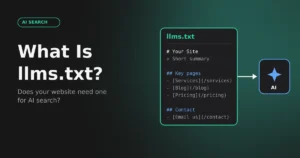
- A correctly configured robots.txt file.
- Secure HTTPS connections.
- Clear website structure.
- Fixing broken links and unnecessary redirects.
- Proper canonical tags where needed.
A website with excellent content can still face visibility problems if important pages cannot be crawled or indexed properly.
4. AI Search Visibility and Brand Authority
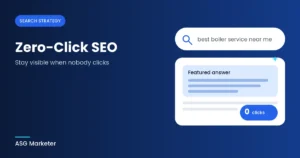
AI-powered search experiences may answer questions without requiring users to visit several websites. This means businesses should think beyond traditional rankings.
Building brand authority can help a business become a recognizable and reliable source of information.
Ways to strengthen online authority include:
- Publishing accurate and original content.
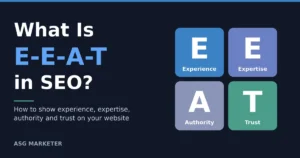
- Demonstrating relevant industry experience.
- Maintaining consistent business information.
- Earning relevant editorial backlinks.
- Creating useful resources and guides.
- Improving trust signals on important pages.
For example, digital marketing businesses such as Asg Marketer can use SEO content, service pages, and educational resources to explain their expertise and help potential clients understand digital marketing services.
The goal is to create a website that is useful to people and clearly communicates what the business offers.
5. User Experience and Conversion Optimization
SEO is not only about attracting visitors. It is also about helping those visitors find what they need.
A website should be easy to use on desktop and mobile devices. Pages should have clear headings, readable text, simple navigation, and relevant calls to action.
For businesses, improving conversion opportunities is especially important. A visitor who finds a helpful article should be able to easily explore related services, contact the business, or learn more.
This is why SEO and user experience often work together.
How Businesses Can Adapt to AI SEO
Businesses that want to remain competitive should update their SEO strategies rather than abandon them.
Create Content Around Topics
Instead of targeting only individual keywords, build content around broader topics.
For example, a digital marketing website can cover:
- SEO audit services.
- Technical SEO.
- Content marketing.
- Local SEO.
- SEO automation.
- Keyword research.
- Website optimization.
Related articles can be connected through internal links to create a useful topic structure.
Use AI as a Supporting Tool
AI can help marketers save time during research, planning, and analysis.
However, AI should support the SEO process rather than replace human judgment.
Before publishing content, marketers should check:
- Is the information accurate?
- Does it answer the reader’s question?
- Is the content original and useful?
- Are the keywords used naturally?
- Are the title and meta description relevant?
- Does the page provide a good user experience?
Monitor More Than Keyword Rankings
Keyword rankings are still useful, but businesses should also monitor other SEO performance indicators.
These may include:
- Organic clicks and impressions.
- Search Console indexing status.
- Organic traffic.
- Relevant keyword visibility.
- Leads and conversions.
- Engagement with important landing pages.
- Website technical performance.
These metrics help businesses understand whether their SEO work is producing useful results.
Will AI Replace SEO Professionals?
AI may automate some repetitive SEO tasks, but SEO professionals still have an important role.
SEO requires strategy, business understanding, content judgment, technical problem-solving, and the ability to interpret data.
A professional can identify why a website is losing traffic, determine which pages need improvement, and develop a strategy based on business goals.
AI can assist with these tasks, but human oversight remains valuable.
The future may involve more collaboration between SEO professionals and AI tools rather than the complete replacement of SEO.
Final Thoughts: Is SEO Dead Now With AI?
SEO is not dead in 2026. It is evolving alongside artificial intelligence and changing search behavior.
Businesses that rely only on old SEO techniques may need to update their approach. However, websites that focus on helpful content, technical quality, search intent, brand trust, and user experience can continue working toward organic visibility.
The future of SEO is not simply about ranking for keywords. It is about becoming a useful, trustworthy, and discoverable source of information.
Whether you are running a small business, managing a website, or working in digital marketing, adapting to AI while maintaining strong SEO fundamentals can help you build a sustainable online presence.
FAQs
No, SEO is not dead in 2026. AI is changing how search works, but businesses still need SEO to improve website visibility and reach relevant audiences.
AI can automate some SEO tasks, but professionals are still needed for strategy, technical optimization, content quality, and business decisions.
AI is changing search results, content creation, keyword research, and how users find information online.
Yes, SEO can help businesses attract organic traffic, build brand awareness, and reach potential customers through search engines.
The future of SEO focuses on helpful content, search intent, technical SEO, user experience, and brand authority.